Notre programme Future
Matières et développement produit
Le choix des matières et le développement produit sont les piliers de notre Engagement pour l’avenir. Nous œuvrons en permanence pour accroître la part de matières sélectionnées, comme le coton biologique certifié et les matières recyclées, au sein de nos collections. Vous trouverez des informations sur les matières utilisées et nos programmes dans les sections suivantes.
Coton
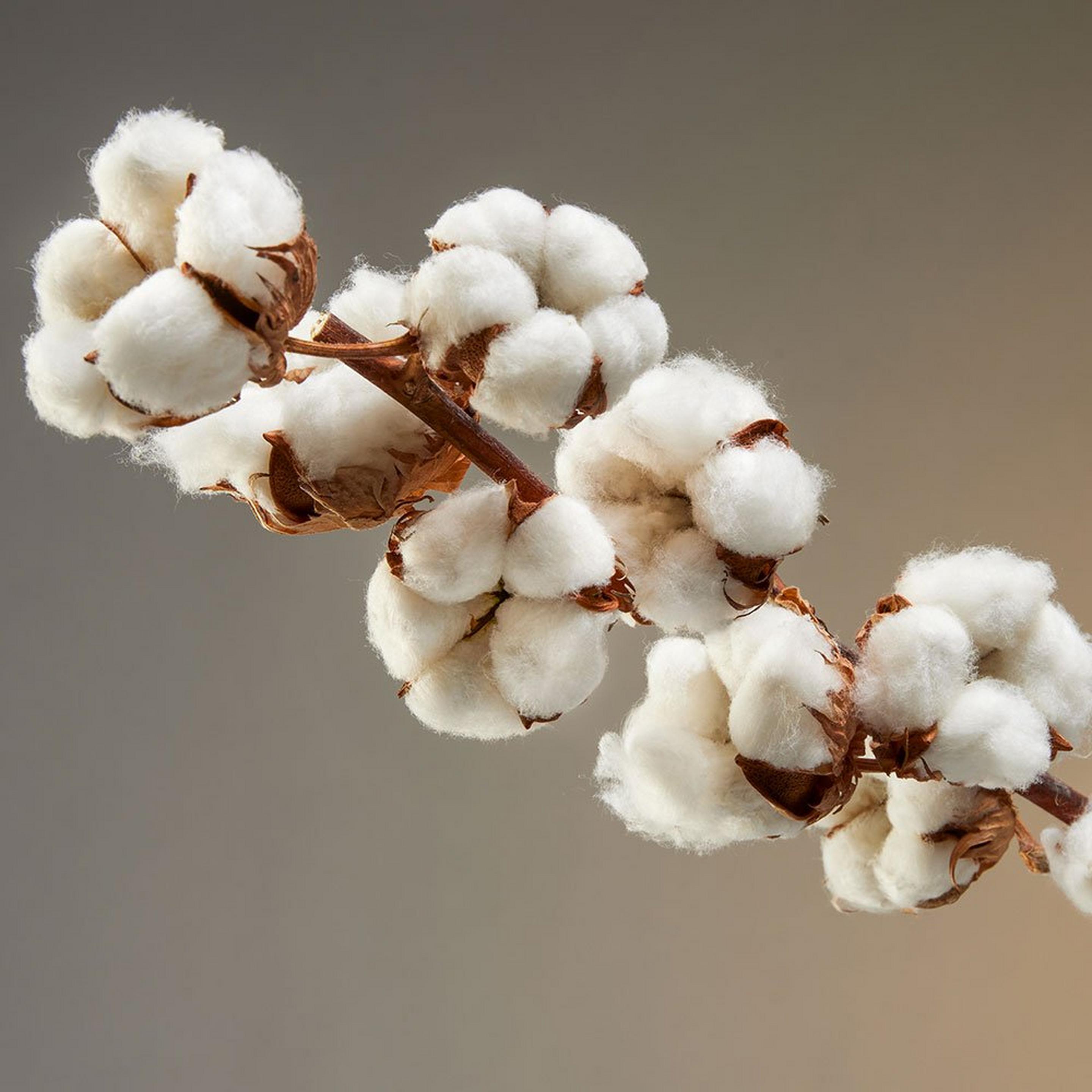
Cotton is one of our most important raw materials. To promote fibres produced in a socially and environmentally responsible manner, we use certified organic and recycled cotton. Through our Empowering Farmers project, we purchase sustainable materials and help farmers in India to grow organic cotton.
En savoir plus sur l'origine et la certification de notre coton
Coton biologique et coton en phase de conversion
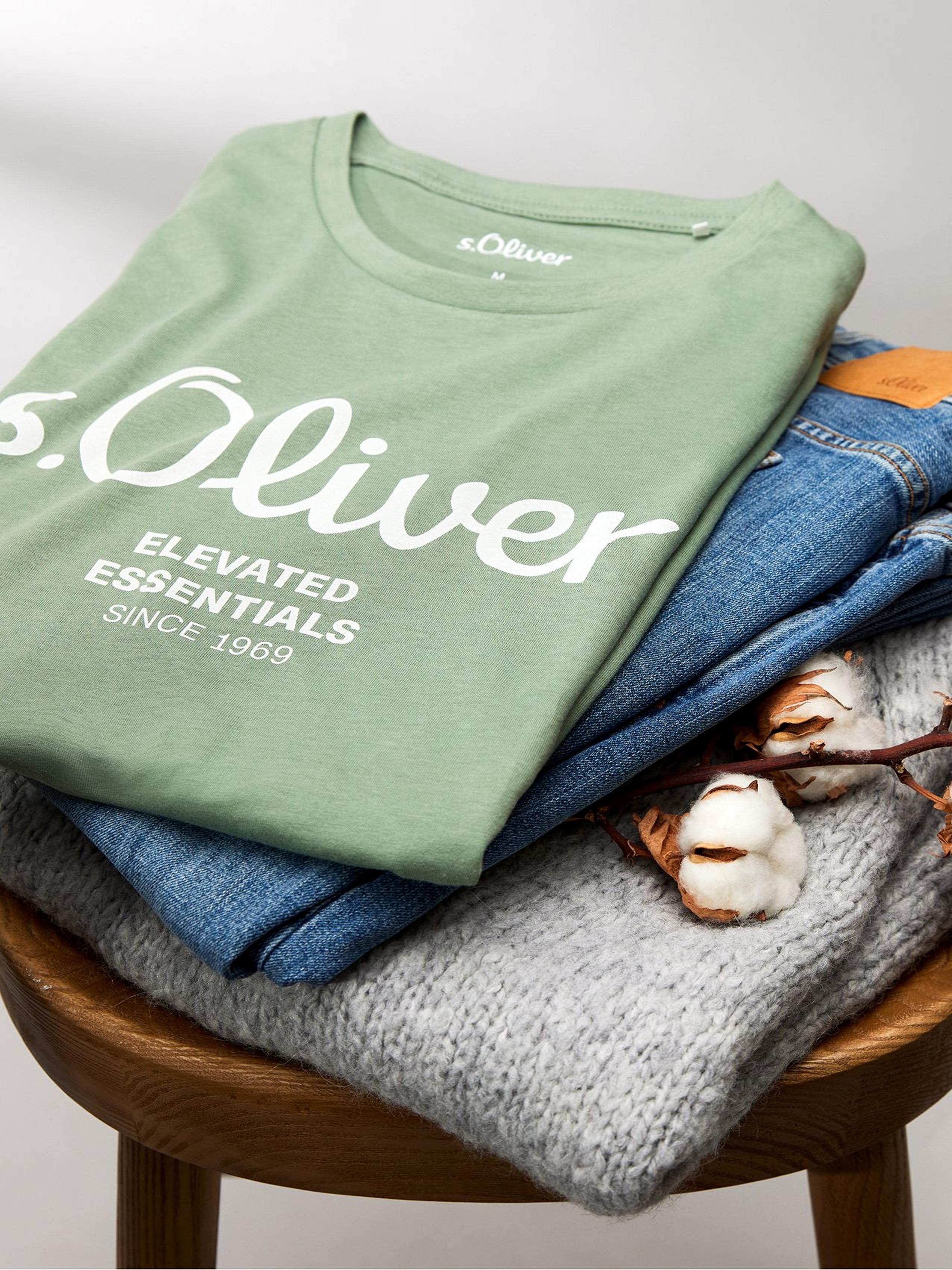
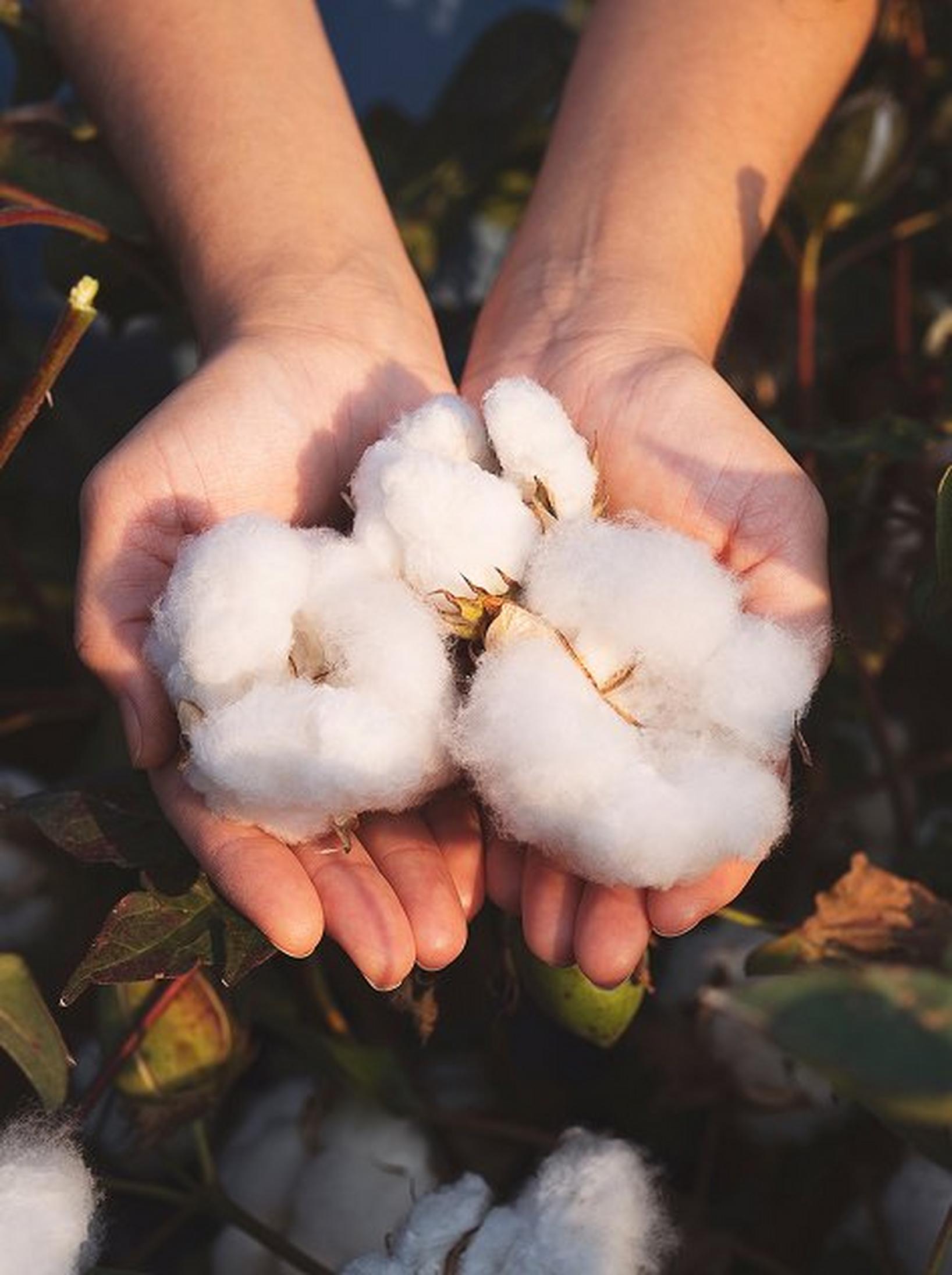
Organic cotton is grown without the use of synthetic fertilisers, pesticides or herbicides. In order to ensure that our products contain organic cotton, we use established standards within our supply chain. This allows us to ensure reliability – from the raw material and the yarn to the final product. To support organic cotton ever further, we also use cotton from the transitional phase. It can take up to three years to transition to organic farming. During this time, farmers adhere to the principles of organic farming until the cotton is officially certified as organic. In order for you to be able to rely on the origin, we work with standards set by Textile Exchange. We are certified in accordance with the Organic Content Standard (OCS), which verifies organically sourced fibres from farm to finished product.


Coton recyclé
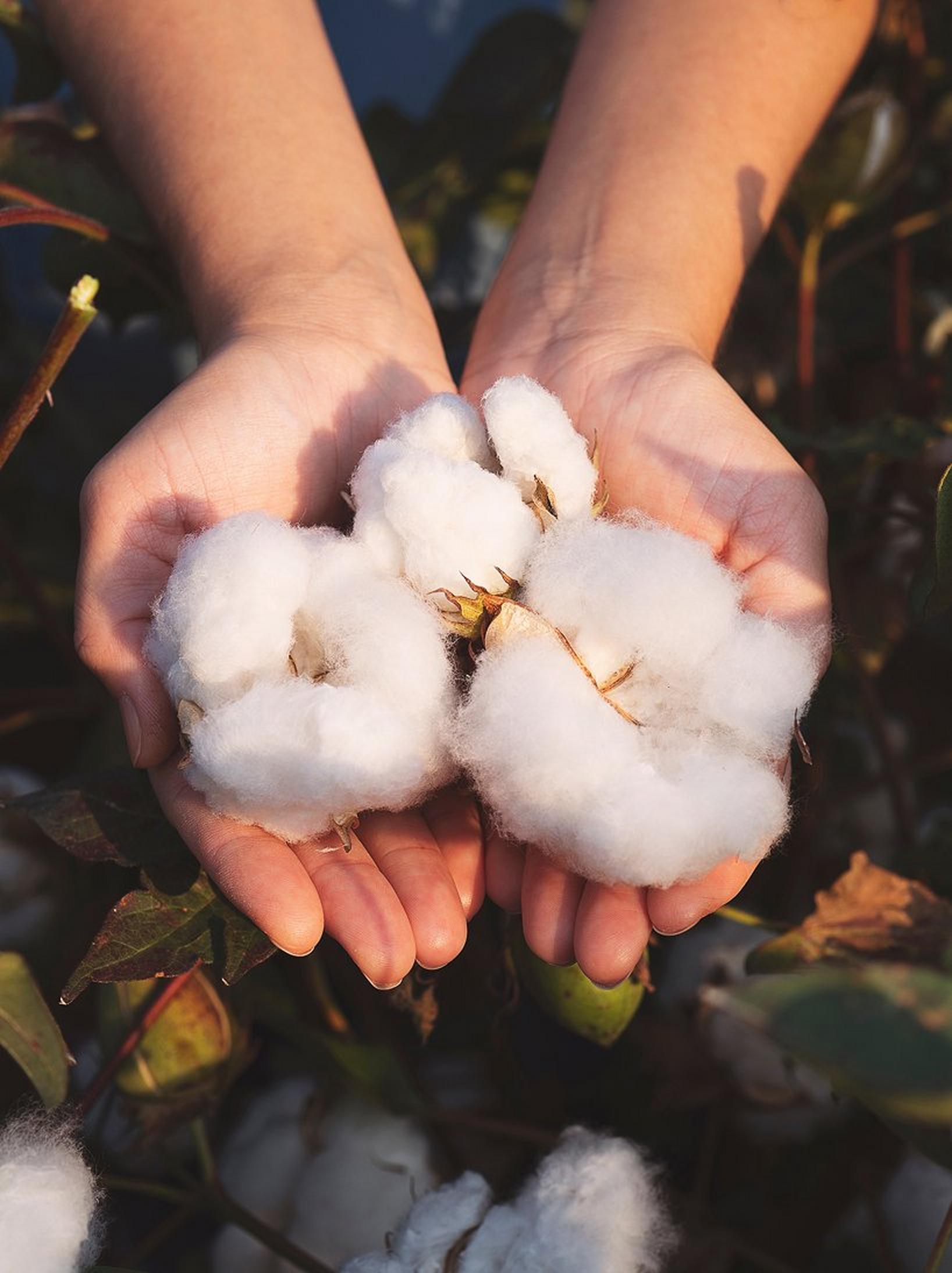
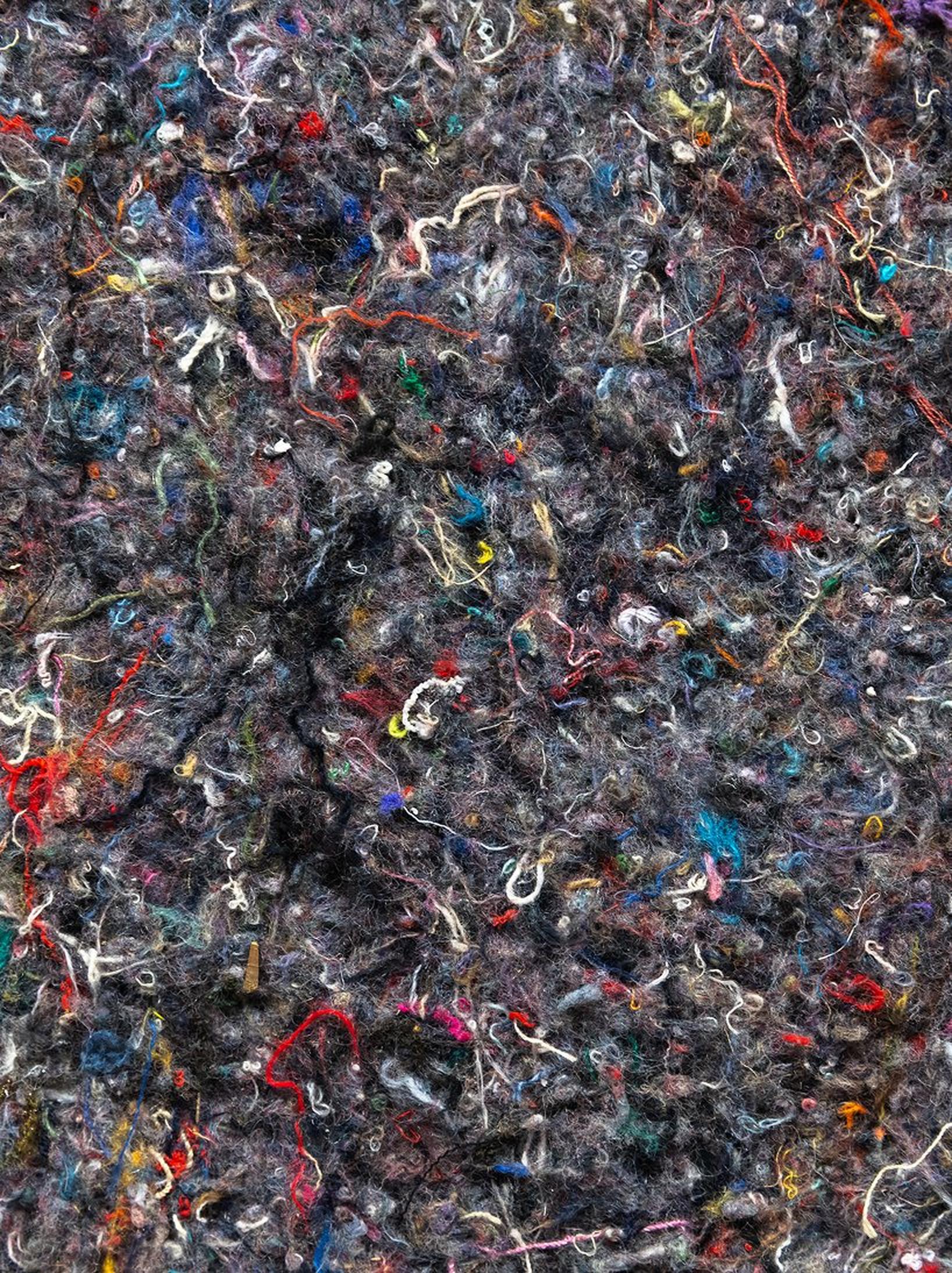
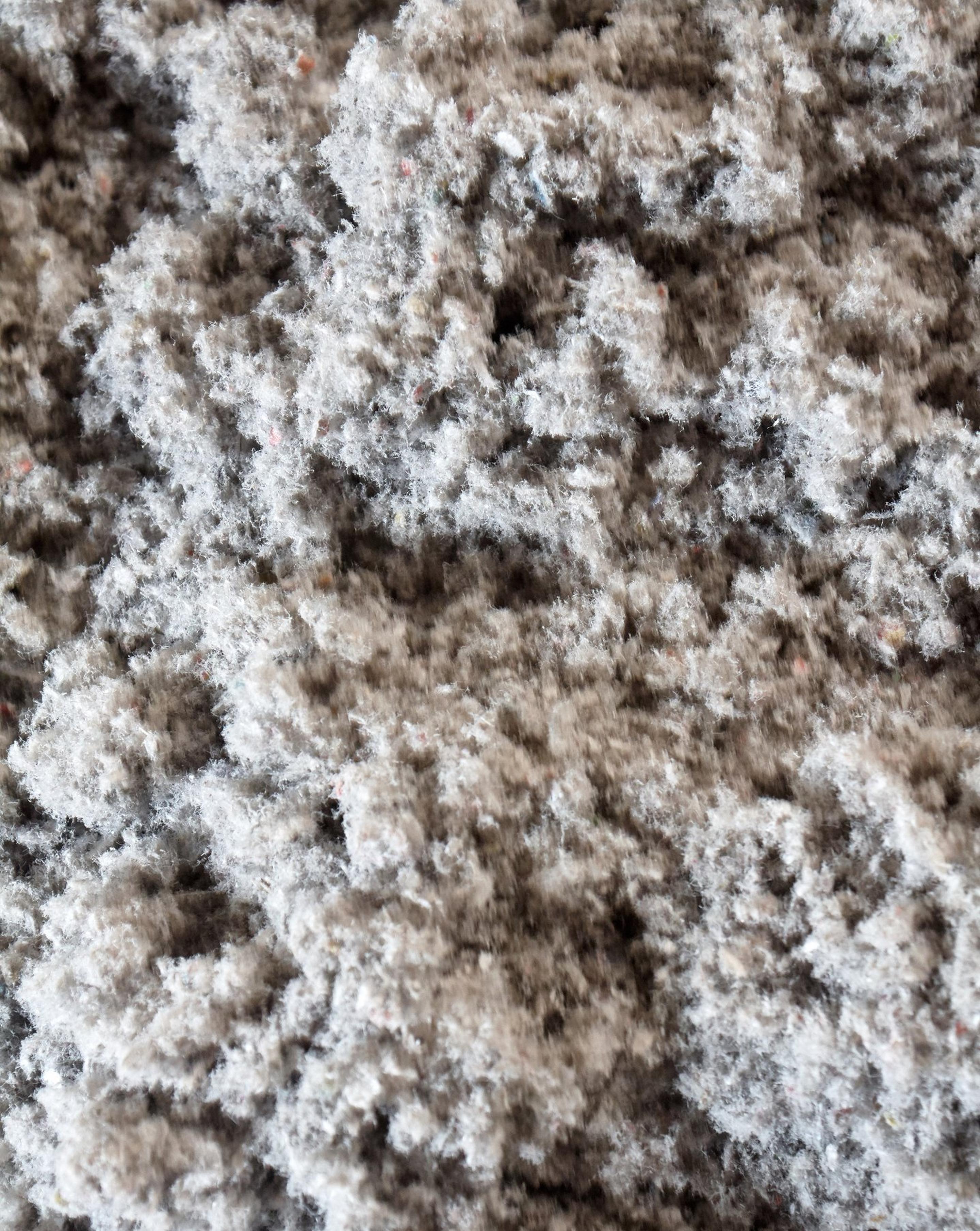
We use recycled cotton to make use of materials that have already been used, thereby reducing the use of new raw materials. For example, recycled cotton comes from used clothing or home textiles. For traceability and security, we rely on established certification systems: We are certified by Textile Exchange in accordance with the Global Recycled Standard (GRS) and the Recycled Claim Standard (RCS). Both standards verify recycled fibres from farm to finished product.
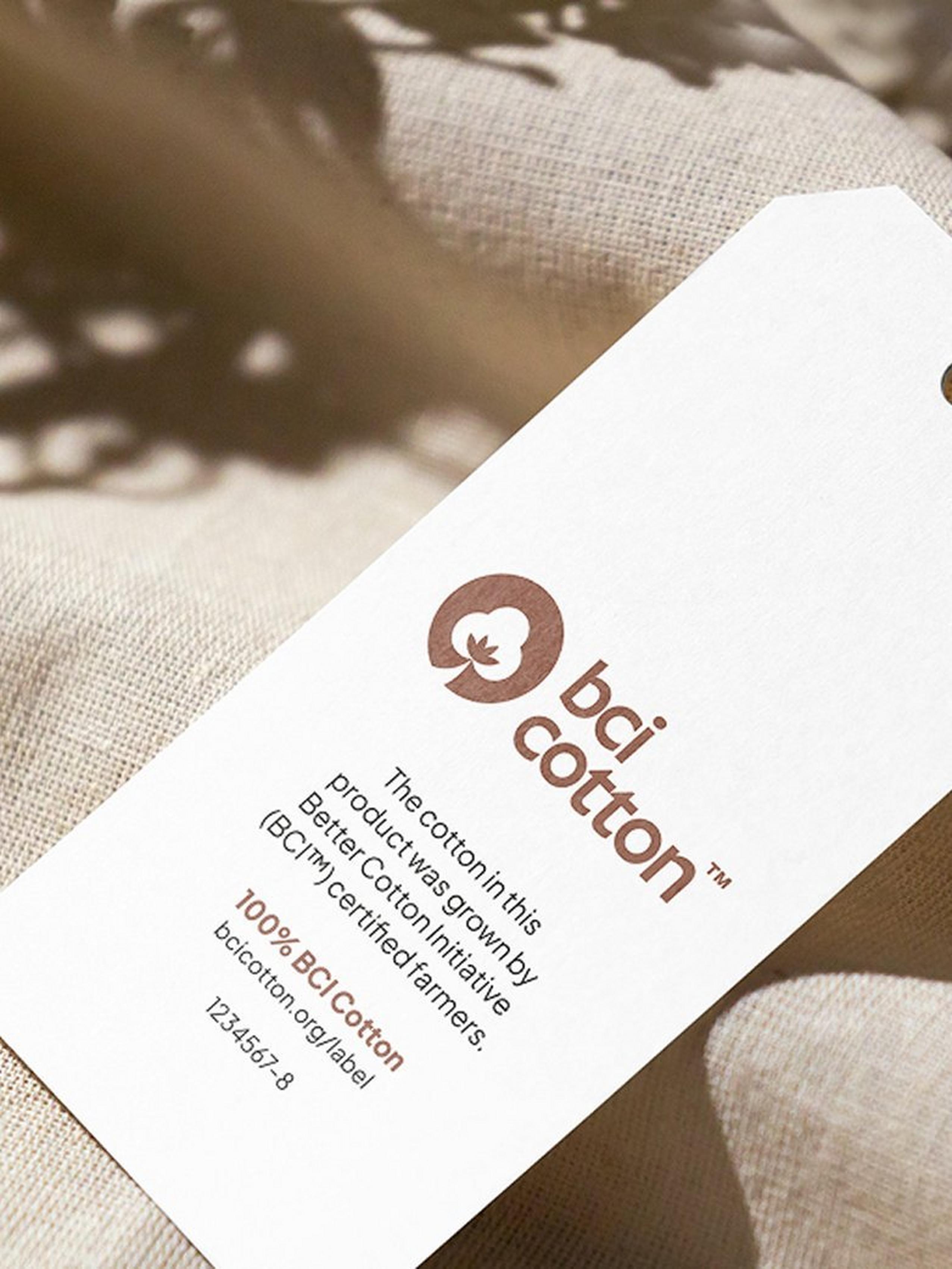
Better Cotton Initiative
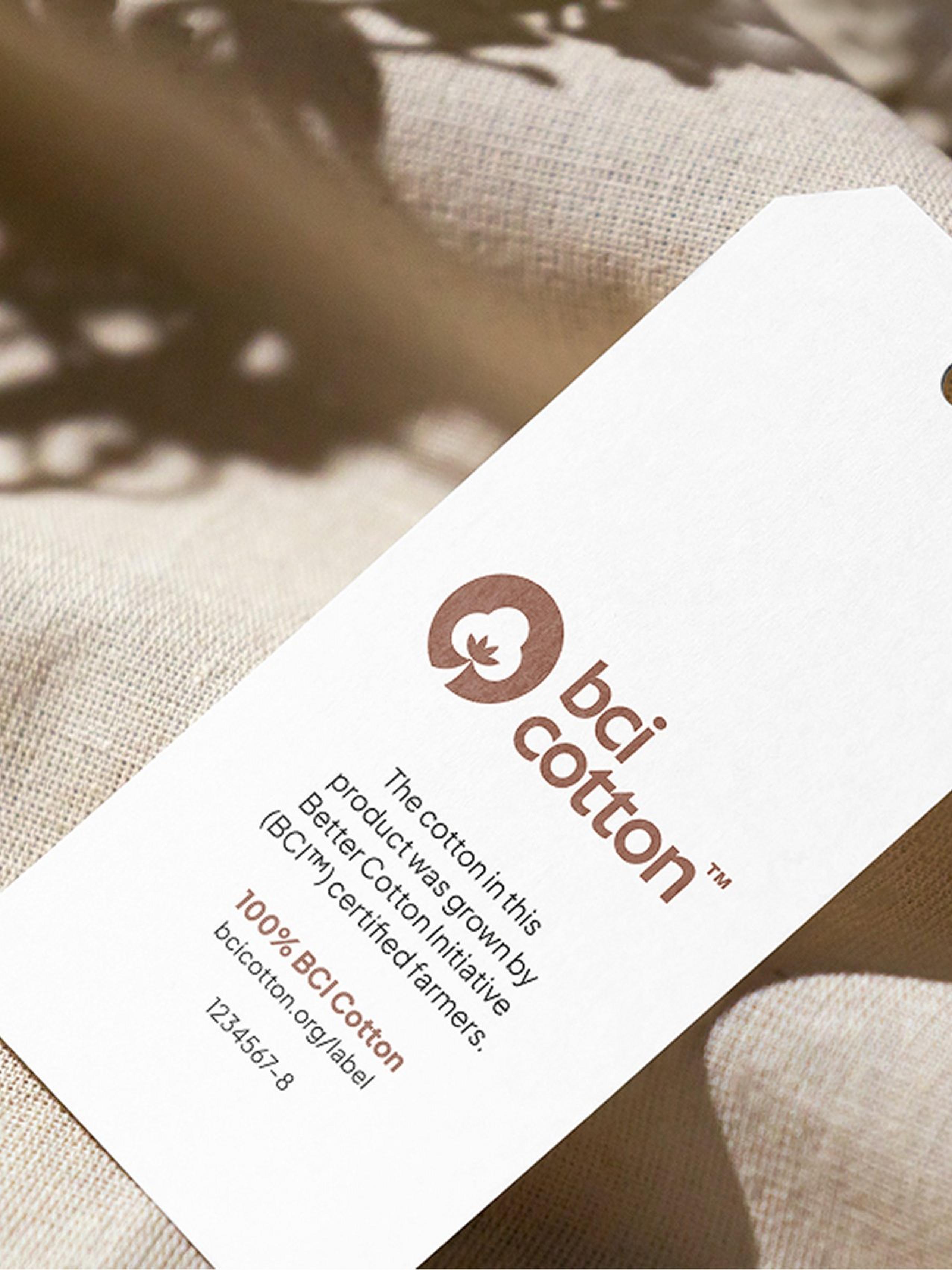
Better Cotton helps cotton farms to grow cotton in a more socially and environmentally responsible manner. Farms that supply Better Cotton must meet minimum requirements and constantly improve their practices – through less pesticides, more efficient water consumption and measures to protect the soil and biodiversity. You can find an overview of the Better Cotton criteria here (link: https://bettercotton.org/what-we-do/defining-better-our-standard/). The cotton is fed into the supply chain based on the mass balance approach. This means that it is not possible to clearly assign Better Cotton to a specific end product. So, we refrain from communicating on the end product.
Bilan massique
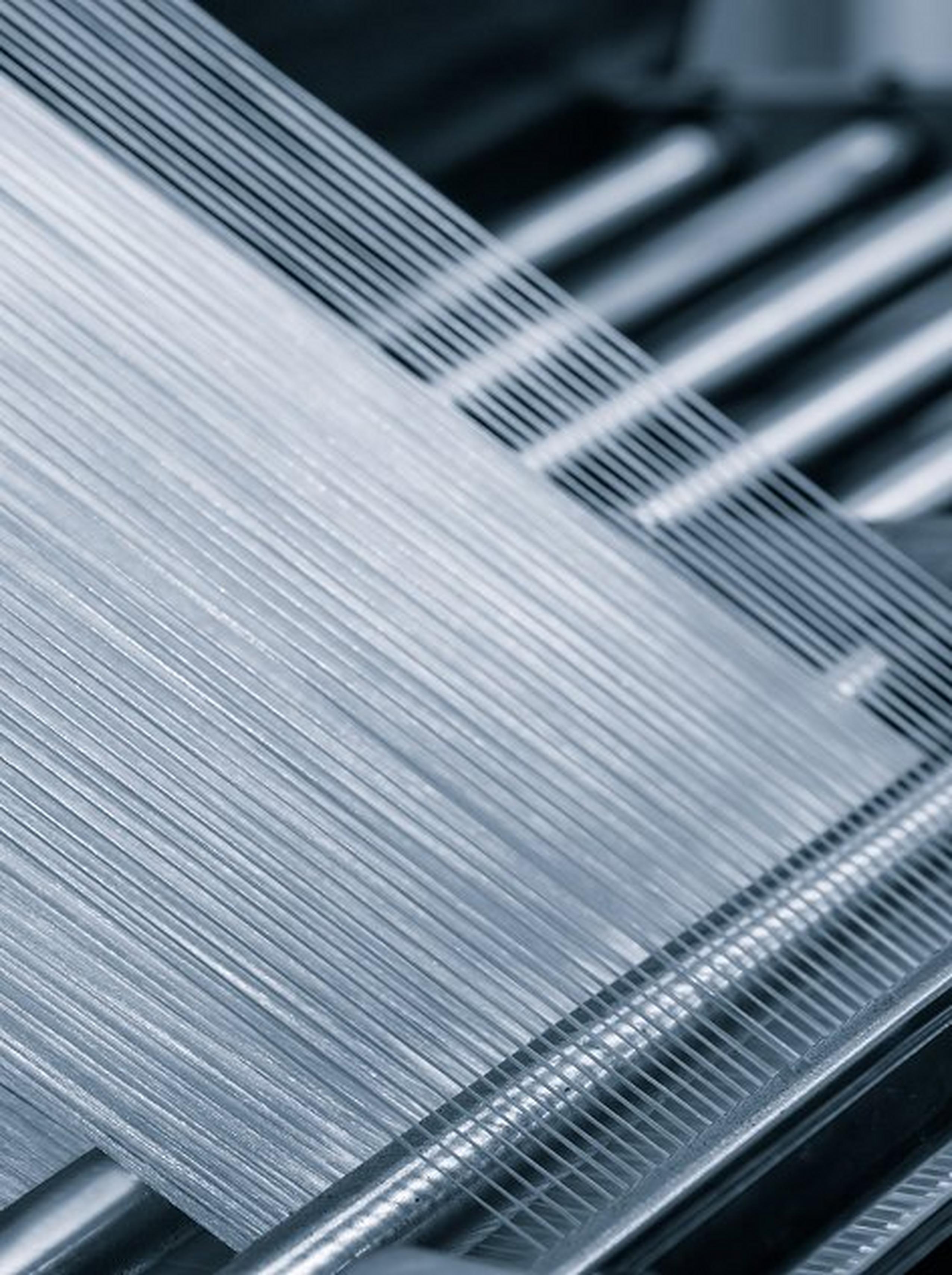
In mass balance, the raw material and the end product balance each other out. Our suppliers purchase a specific amount of cotton that is needed for the manufacture of our goods through the Better Cotton initiative. During further processing, this cotton may then be mixed with conventional cotton. This means that the final product isn’t necessarily completely made of cotton from the initiatives. It is important, however, that the amount of more sustainable cotton purchased remains in the system. Every purchase supports the demand for more sustainable cotton – even if this is not directly evident in the product.
Matières d’origine animale
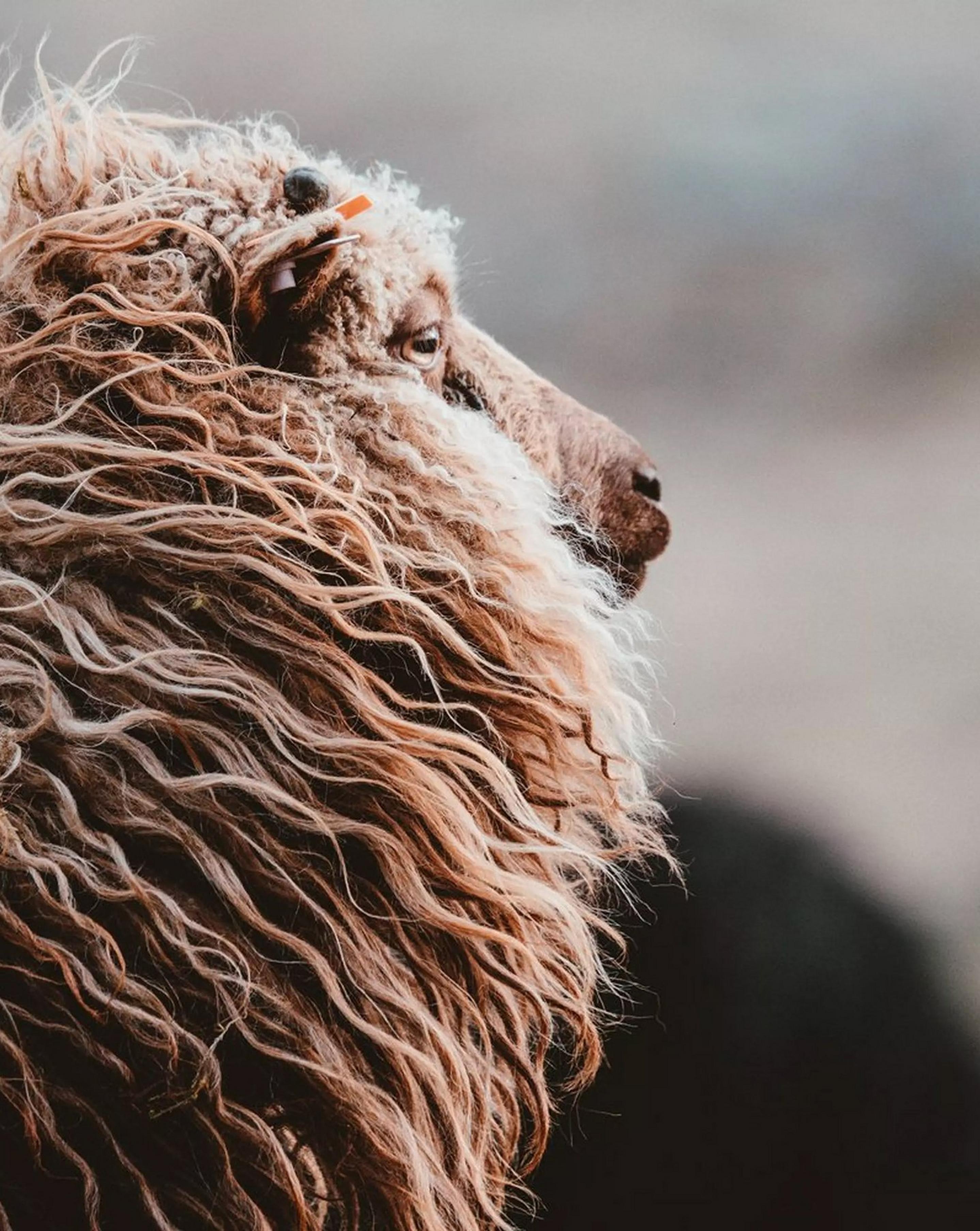
Les droits des animaux sont importants à nos yeux. C'est pourquoi notre charte de bien-être animal s'applique à toutes les fibres et matières d'origine animale que nous utilisons. Nous souhaitons augmenter constamment la part de matières issues d'un approvisionnement responsable et nous appuyons pour cela sur des normes établies.
La laine
La lainefait partie de nos matières d’origine animale les plus importantes. Nous nous opposons à l’utilisation de laine provenant de moutons ayant subi le mulesing. De plus, nous privilégions la laine obtenue dans le respect des critères de bien-être animal, ainsi que la laine recyclée.
Afin de garantir une laine plus responsable et des fibres recyclées, de leur origine jusqu’au produit fini, nous sommes certifiés selon le Responsible Wool Standard (RWS), ainsi que selon le Global Recycled Standard (GRS) et le Recycled Claim Standard (RCS) de Textile Exchange.
Cachemire
The Good Cashmere Standard® by AbTF définit les exigences en matière de bien-être animal, ainsi que les critères sociaux et écologiques liés à la production de cachemire. Cette norme inclut notamment certaines prescriptions relatives à la santé et à l’élevage des animaux, ainsi qu’au respect des exigences sociales vis-à-vis des éleveurs et des équipes de la chaîne d’approvisionnement.
Alpaga
La laine d’alpaga issue d’une production plus responsable, une fibre de haute qualité aux propriétés thermorégulatrices et au toucher doux, est certifiée par le Responsible Alpaca Standard (RAS).
Duvet et plumes
Leduvet et les plumes, réputés pour leurs propriétés d'isolation thermique, sont certifiés par la norme Responsible Down Standard (RDS).
Fibres de cellulose
The LENZING™ ECOVERO™ viscose fibres from Lenzing come from certified and sustainable forestry. LENZING™ ECOVERO™ fibres are manufactured using at least 50% lower CO₂ emissions and at least 50% less water consumption.
*In comparison to conventional (non-brand-specific) viscose. The results are based on life cycle assessments (LCA) in accordance with the ISO 14040/44 standards and are available in the Higg MSI Version 3.12.
LENZING™ ECOVERO™ fibres are certified with the EU Ecolabel for environmental excellence.
*EU Ecolabel for textile products (licence no. AT/016/001).
LENZING™ ECOVERO™ fibres are obtained from certified or controlled wood sources.
*FSC® (FSC-C041246) or PEFC certification (PEFC/06-33-92).
*Not applicable to LENZING™ Viscose EV Black, LENZING™ Viscose EV RB and LENZING™ EV Wool Types.
Our partner Birla Cellulose™ also specialises in extracting fibres from wood. LIVAECO™ uses only wood from certified forests to produce its cellulose fibres.
TENCEL™ lyocell and modal fibres are manufactured using at least 50% lower CO₂ emissions and less water consumption.
*In comparison to conventional (non-brand-specific) lyocell and modal fibres. The results are based on life cycle assessments (LCA) in accordance with the ISO 14040/44 standards and are available in the Higg MSI (Version 3.12).
TENCEL™ lyocell and modal fibres are certified with the EU Ecolabel for environmental excellence.
*EU Ecolabel for textile products (licence no. AT/016/001)
TENCEL™ lyocell and modal fibres are obtained from certified or controlled wood sources.
*FSC® (FSC-C041246) or PEFC certification (PEFC/06-33-92).
Fibres synthétiques
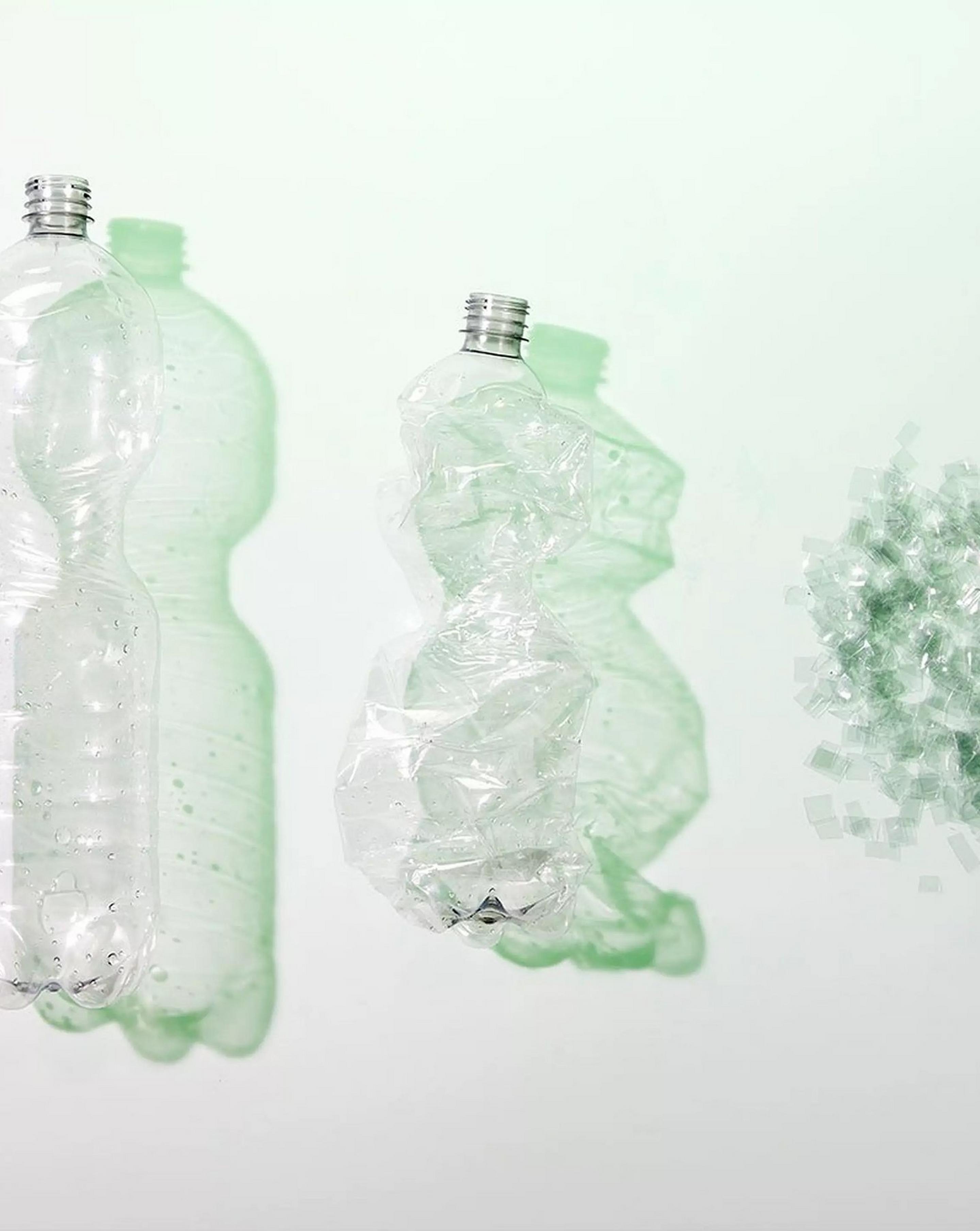
Polyester is the main component of our synthetic fibres and materials. It is associated with environmental and social risks, in particular when it comes to raw material extraction. This is why it is so important to reduce the use of synthetic materials overall and use less new polyester.
By using recycled polyester, fibres remain in the material cycle for longer and fewer new resources are required. We are certified in accordance with the Global Recycled Standard (GRS) and the Recycled Claim Standard (RCS). Both standards verify recycled fibres from farm to finished product.
Certifications & Standards
OCS – Organic Content Standard
s.Oliver ist nach dem Organic Content Standard (OCS) zertifiziert, der biologisch angebaute Baumwolle vom Ursprung bis zum fertigen Produkt verifiziert.
Zertifiziert durch Control Union TE-00104454.
RCS – Recycled Claim Standard
s.Oliver is certified in accordance with the Recycled Claim Standard (RCS), which verifies recycled materials from farm to finished product.
Certified by Control Union TE-00104454.
This standard can be used for cotton, polyester and wool, as well as down and feathers.
GRS – Gobal Recycling Standard
s.Oliver is certified in accordance with the Global Recycled Standard (GRS), which verifies recycled materials from farm to finished product. Certified by Control Union TE-00104454.
This standard can be used for cotton, polyester and wool, as well as down and feathers.

RAS – Responsible Alpaca Standard
s.Oliver is certified in accordance with the Responsible Alpaca Standard (RAS), which verifies alpaca wool from farm to finished product.
Certified by Control Union TE-00104454.
RDS – Responsible Down Standard
s.Oliver is certified in accordance with the Responsible Down Standard (RDS), which verifies down and feathers from farm to finished product.
Certified by Control Union TE-00104454.
RWS – Responsible Wool Standard
s.Oliver is certified in accordance with the Responsible Wool Standard (RWS), which verifies wool from farm to finished product.
Certified by Control Union TE-00104454.
Information on compliance with standards
For our products that are certified according to Textile Exchange standards (OCS, GRS, RCS, RDS, RWS, and RAS), it may occur in individual cases that our suppliers fail to provide us with the necessary documentation in good time. If these documents do not arrive on time, we cannot confirm that the styles in question meet the requirements of the respective standard. In order to be completely transparent and to comply with the Textile Exchange Standards, in such cases we would like to proactively inform you.
During our regular quality and standard checks, we have found that this is currently the case for some certified labelled items.
For all other products, we have fully verified and valid evidence at our disposal.
We are working closely with our partners to locate the missing documentation and to further strengthen our processes in order to ensure the highest standards are maintained in the long term. Thank you for understanding.
Discover more sustainable styles


-16%

-15%


-15%

-15%

-12%

-10%

-20%

-50%

-50%

-33%

-10%

What we are going to do next
In our strategy for more sustainable materials, we have continuously been setting ourselves targets for the use of even more sustainable materials in all our products for several years now. And we’ll continue to work on it in the future – for even better styles!


Questions or suggestions?
Do other topics and actions seem more important to you and do you have questions or suggestions about our sustainability concepts? Let's talk about it! We know we still have a long way to go - there is still a lot to do. We are interested in your honest opinion. Write to us at [email protected].